Roadmap2Wellness Journal
What Does a PTSD Trauma Response Look Like? PTSD Through an Energetic Lens
Have you ever wondered why the effects of trauma can linger long after the event itself has ended? Perhaps you’ve been diagnosed with PTSD, struggle with anxiety, panic attacks, chronic pain, or feel constantly on edge, even though your mind tells you that you’re safe. Trauma is more than a memory—it can leave a lasting imprint on the nervous system, the body, and, from an energetic perspective, the subtle energy field that surrounds and interpenetrates us. This article explores trauma-informed energy healing as a complementary lens for awareness, not as a replacement for clinical care.

Modern neuroscience has shown that trauma can change the way the brain and nervous system respond to the world. Yet many people also sense that something deeper has shifted—a feeling of disconnection from themselves, difficulty feeling grounded, or a loss of vitality that cannot always be explained by physical symptoms alone. From an energetic perspective, trauma temporarily disrupts the natural flow of energy within the body, creating patterns that may continue to influence emotional, mental, and physical well-being until they are gently recognized and supported.
This article explores trauma and PTSD through both an energetic and complementary healthcare lens, helping you understand how unresolved experiences may continue to affect your body, your nervous system, and your energy—and why healing is often about restoring connection rather than simply managing symptoms.
What Does a PTSD Trauma Response Look Like? The Vagus Nerve and Trauma
When people ask “where is trauma stored in the body?” The honest answer is: Through the Vagus Nerve. The vagus nerve is the longest of twelve cranial nerves in the body, and like all cranial nerves, it is twinned. Viewing the Vagus nerve through an ‘energetic lens’, its main purpose is memory and navigation. All cranial nerves retain a memory, all the senses, sight, smell, taste, touch and sound. The nervous system is intelligently organized and understood clearer when viewed through an ‘energetic lens’. The organization comes through three channels of memory: 1) The Brain (Including all cranial nerve innervation from the clavicles up. 2) The Heart (Includes memory of everything that has happened within the body conscious or unconscious. 3) The Coccyx (Contains the memory for the entire body including all trauma from conception to in-utero trauma).
The navigation part emanates from the vagus nerve’s ability to navigate incoming information from the environment and that enters the body through the five senses, sight, hearing, smell, taste and touch. The vagus nerve is like the ‘sixth sense’ or in other words the ‘operating system’ that feeds into the brain and the autonomic nervous system (ANS).
The autonomic nervous system (ANS) is the involuntary network of systems that govern the vascular, circulatory, respiratory, lymphatic and digestive systems and works directlywith the endocrine system. The vagus nerve originates at the Pituitary gland then continues to the Pineal gland and onward into the brain stem, from there hitching intersections along the spine connecting to five main parts of the brain stem that become the ANS. When trauma enters the field of energy around the body, your vagus nerve is picking up that feeling as the ‘feeler’ nerve and navigating the incoming information and/or expected or unexpected threat.
Trauma enters the body through your senses—hearing, sight, smell, taste, and touch; they retain memory throughout your life. A sound, a scent, or a texture can reawaken the body’s protective response years after the original event. All of these senses can become hyper- sensitive in people who have PTSD, whether it’s from one single event or multiple. This is why somatic, body-based understanding matters: trauma is not held in the story alone, but in muscle, breath, gut, and the body’s subtle energy field.
When trauma is experienced by the body, one of the first responses can be a surge of energy flooding through the entire nervous system, followed by a sudden urge to drop to your knees or sit down. This may occur after receiving news of an unexpected death or witnessing a deeply distressing event or experiencing a traumatic event.
The liver’s relationship to trauma is rarely discussed. As the body’s largest solid visceral organ, the liver performs numerous vital endocrine and metabolic functions. It filters the blood, processes nutrients, produces bile to support digestion, assists in detoxification, and carries out many other essential processes that help maintain overall health.
The liver’s connection to trauma can also be reflected through the calf muscles of the lower legs. Often referred to as the body’s “second heart,” the calf muscles help pump blood from the lower extremities back toward the heart, with that blood first passing through the body’s circulation, including the liver.
The liver continually metabolizes stress hormones such as cortisol and adrenaline. During periods of prolonged stress or trauma, these hormones can remain elevated, increasing the liver’s metabolic workload. As the body stays in a heightened stress response, circulation may become less efficient, requiring the liver and cardiovascular system to work harder to maintain normal function.
As this occurs, the legs may begin to feel weak as the body directs more energy toward maintaining circulation and responding to the stress response. From an energetic perspective, as the transfer of energy becomes intensified, the legs naturally feel weak because stability and security of the body’s defense systems can become somewhat compromised.

PTSD and C-PTSD: How Trauma Responses Can Differ
Trauma-related conditions such as PTSD (Post-Traumatic Stress Disorder) and C-PTSD (Complex Post-Traumatic Stress Disorder) can profoundly affect a person’s ability to regulate emotions, making it difficult to manage emotional reactions and respond effectively to stress.
Complex PTSD (C-PTSD) affects far more than a person’s mental and emotional well-being. It can have a profound impact on the physical body and the function of the autonomic nervous system.
Unfortunately, health issues can develop as a result of trauma, particularly when a person remains in an abusive environment or is not surrounded by conditions that support healing. From my understanding, repeated mental and emotional overwhelm can place ongoing stress on the body and its ability to function optimally thus affecting the autonomic nervous system. Over time, this can compromise its function and could contribute to internal dysregulation, which may be associated with conditions such as eating disorders, obsessive-compulsive disorder (OCD), autoimmune disorders, lupus, depression, and anxiety disorders.
In more severe cases of Complex PTSD, dissociation from the physical body can occur as the mind and emotions become disconnected from it. From an energetic perspective, more of a person’s life force becomes directed toward sustaining mental and emotional survival patterns, leaving less available to support the physical body. In my view, this represents the opposite of the healing process, which requires restoring awareness, balance, and connection between the mind, body, and emotions.
By contrast, PTSD (Post-Traumatic Stress Disorder) is likely more common than many people realize. It can develop following a single traumatic event, such as witnessing physical violence, experiencing a serious accident, a motor vehicle collision, a concussion sustained during that event. A concussion is itself a traumatic brain injury, and PTSD can develop after the frightening event surrounding the concussion rather than from the effects of the concussion alone.
The impact on the body often begins through sensory overload. The intensity of what is seen, heard, or experienced can overwhelm the nervous system, leaving it in a prolonged state of stress even after the danger has passed.
The effects of post-traumatic stress on the body can present in many ways. A person may become highly sensitive to sudden loud noises, have difficulty adapting to transitions or change, experience distress when they feel a lack of control, or become triggered by environments that resemble past traumatic experiences. They may also feel a constant sense of time pressure or urgency, find it difficult to sit still without distraction, or feel overwhelmed in crowds or busy environments.
Trauma-Informed Energy Healing and the Energy Field
Where the energy flow becomes blocked
The human body is an extraordinary living system, composed of trillions of cells and countless molecules, including water, proteins, lipids, minerals, and DNA. Each cell functions as a highly organized unit, constantly communicating and adapting to maintain health and balance. Modern science recognizes that every living cell also produces tiny electrical currents and electromagnetic activity, allowing the nervous system, heart, muscles, and brain to function as an integrated whole.
As the physicist Albert Einstein famously stated, “Energy cannot be created or destroyed; it can only be transformed from one form to another.” While this principle refers to physical energy in the scientific sense, many healing traditions use the concept of “life force” to describe the subtle vitality that animates living beings.
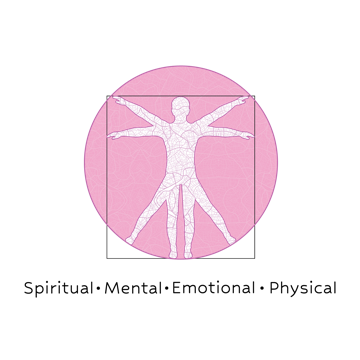
From my perspective, the human experience can be understood through four interconnected aspects of consciousness: the mental, emotional, physical, and spiritual. When these aspects are working in harmony, the body is better able to adapt, regulate, and heal.
Many Eastern healing traditions describe several major energy centres, known as chakras, each associated with different aspects of physical, emotional, and spiritual well-being. Although chakras are not recognized anatomical structures in conventional medicine, they have served for centuries as a framework for understanding the movement of subtle energy throughout the body.
The central nervous system extends from the brain through the spinal cord to the lower spine. Cerebrospinal fluid continuously circulates between the brain and spinal canal, nourishing and protecting the nervous system. From an energetic perspective, I perceive a corresponding flow of life force moving throughout this same pathway.
In cases of unresolved trauma, I often observe this energetic flow becoming restricted or protective. In my clinical experience, these areas most commonly present around the junction of the fifth lumbar and first sacral vertebrae (L5-S1), often referred to as the body’s core or centre of vitality, and around the mid-thoracic region near the level of the sixth thoracic vertebra (T6), corresponding to the energetic heart centre.
These observations arise from my work as an energy medicine practitioner and manual therapist and are not established medical findings. My experience suggests that when the body’s energetic flow becomes restricted, some individuals may also experience persistent pain patterns, digestive disturbances, or a general sense of feeling disconnected from themselves. Whether these changes are directly related remains an area of personal observation rather than scientific proof.
Through energy healing, whether in person or at a distance, my intention is to help restore a more balanced flow within the body’s energetic system. As the nervous system begins to feel safer, the body often becomes more receptive to healing. Sometimes these energetic patterns return to a protective state, particularly during periods of stress or unresolved emotional challenges. Healing, in this sense, is rarely a single event. Rather, it is an ongoing process of returning to balance, reconnecting with oneself, and allowing the body to remember its natural capacity for healing.
Trauma-Informed Energy Work: More Than Emotional Scars
Emotional and mental triggers
Trauma leaves an imprint that extends far beyond our thoughts and emotions. Long after a traumatic event has passed, environmental reminders can activate the nervous system as though the danger is happening all over again.
An environmental trigger is anything outside of us that reminds the brain and body of a previous traumatic experience. It may be a sound, smell, place, facial expression, tone of voice, season of the year, or even a particular relationship dynamic. Although the trigger originates outside the body, the response is experienced within it. The autonomic nervous system (ANS) reacts automatically, producing physical sensations such as a racing heart, muscle tension, shallow breathing, panic, anxiety, or emotional shutdown.
Whether the original trauma involved an accident, physical injury, emotional abuse, psychological abuse, or violence, repeated exposure to similar experiences can reinforce these survival responses. Over time, the nervous system may remain in a chronic state of dysregulation, making it increasingly difficult for the body to distinguish between real danger and perceived threat.
In some individuals, particularly those living with Complex PTSD (C-PTSD), prolonged dysregulation may contribute to dissociation. Dissociation is a protective survival response in which a person may feel disconnected from their body, emotions, memories, identity, or even their surroundings. Rather than being a sign of weakness, dissociation is often the nervous system’s attempt to reduce overwhelming distress when it believes there are no other options.
From a broader perspective, we also live in a world where violence, conflict, crime, and suffering are regularly exposed through media and everyday life. As a society, we can gradually become accustomed to chronic stress and nervous system activation. In my view, repeated exposure to these environmental stressors can influence not only the individual nervous system but also our collective emotional state, contributing to increased fear, hypervigilance, and disconnection. Each additional trigger has the potential to reinforce existing survival patterns across the mental, emotional, physical, and spiritual aspects of our being.
The autonomic nervous system functions as an integrated network. The brainstem, limbic system, and higher brain centres continually communicate with one another, influencing heart rate, breathing, digestion, emotional regulation, and our perception of safety. No single part works in isolation. This interconnectedness is also one of the reasons healing is possible. Through neuroplasticity—the brain’s remarkable ability to reorganize and form new neural pathways—the nervous system can gradually relearn safety when a person is supported by a stable environment, meaningful relationships, and therapeutic practices that reduce ongoing triggers.
From an energetic perspective, I also observe that as external triggers diminish and the nervous system begins to regulate, the body’s natural flow of energy becomes more balanced. This creates an environment where both the physical body and the deeper aspects of consciousness can begin to heal.
Alongside Trauma Treatment Modalities: Grounding, the Root Chakra, and the Four States of Consciousness
The connection between God consciousness and your body
The Spiritual State of Consciousness
Beyond the physical body exists an awareness that many traditions describe as spirit, higher consciousness, divine intelligence, or the presence of God. Throughout history, cultures around the world have described this connection in different ways, yet they all point toward an intelligence that extends beyond the individual self.
Within the traditional chakra system, this connection is associated with the Crown Chakra, our relationship to higher consciousness, and the Third Eye Chakra, which is associated with intuition, insight, imagination, and inner perception. Together, these centres represent our capacity to receive guidance, expand awareness, and experience a sense of meaning beyond everyday thought.
Between these two energetic centres, is the God Consciousness Centre—a field of awareness that bridges our human experience with a higher intelligence. In the book the autobiography of a Yogi, written by Paramahansa Yoganada, he stated that the “God Consciousness” is an actual location on our heads traditionally where the Kippa is worn. This is not my own energetic observation but this center of energy can be activated as easy as thinking about it. This energy center is not part of traditional chakra teachings.
Throughout Christian art and many other spiritual traditions, saints and enlightened teachers are often portrayed with a halo or radiant light surrounding the head. Symbolically, this light has long represented spiritual illumination and divine awareness. From my perspective, this radiant field reflects an awakened state of consciousness that emerges when the heart, the mind, and our connection to the Earth are working in harmony. This radiant light would be known as the “Christ Consciousness”.
How Trauma Affects the Root Chakra
Trauma can temporarily weaken the root chakra’s energetic function. Whether the trauma stems from a single overwhelming event or repeated experiences of stress, abuse, loss, or instability, the nervous system may begin operating from a place of protection and survival.
When this occurs, a person may experience:
From both an energetic and nervous system perspective, these experiences reflect a disruption in one’s sense of safety and connection. Because the root chakra governs survival and security, trauma impacts this center first.
Grounding Techniques: More Than Walking Barefoot
The root chakra is often called the grounding chakra, but grounding involves much more than walking barefoot on the Earth. While time in nature is certainly beneficial, grounding is fundamentally about bringing your awareness back into your body and into the present moment—and that can be practiced almost anywhere.
‘Grounding’ is not necessarily something you do; it is a state you cultivate. It is the process of reconnecting your body’s energy field with the field of energy beneath you—the Earth. Your body’s energy field and the Earth’s energy field share a connection, and tapping into that shared field is what brings energy healing alive. This is known through the energy field as your ‘Spiritual Foundation’.

The Root Chakra: Our Connection to the Earth
If the Crown Chakra represents our connection upward, the Root Chakra represents our connection downward.
Located at the base of the spine, the Root Chakra is traditionally associated with safety, survival, stability, and grounding. It is through this energetic centre that we establish our relationship with the Earth.
Modern science tells us that the Earth possesses a measurable magnetic field, and the human body itself generates electrical and magnetic fields through the activity of the heart, brain, and nervous system. While science does not recognize chakras as anatomical structures, many traditional healing systems describe them as organizing centres for the body’s subtle energy.
From an energetic perspective, I view the Root Chakra as the body’s grounding point. It allows us to draw stability from the Earth while remaining connected to higher consciousness. As above, so below. Healing occurs not by escaping the body but by becoming fully present within it.
The Heart: The Bridge Between Heaven and Earth
The Heart Chakra serves as the bridge between these two directions of awareness.
Above the heart lies our spiritual connection. Below it lies our physical foundation. The heart integrates both, creating coherence between mind, body, emotion, and spirit.
Research in neuroscience and psychophysiology has shown that the heart and brain continually communicate through the autonomic nervous system. A regulated nervous system supports emotional resilience, clear thinking, and physiological balance. From my perspective, this physiological communication is mirrored by an energetic communication that links the heart, the Earth, and higher consciousness into one unified system.
When these systems begin working together, individuals often experience a greater sense of peace, clarity, and connection within themselves.
Trauma Disrupts This Connection
Trauma often shifts our awareness away from the body and into survival.
The mind becomes occupied with danger.
The emotions become overwhelmed.
The nervous system remains vigilant.
The body loses its sense of safety.
From my experience, this also interrupts the natural flow of energy between the Root Chakra, the Heart, and the higher centres of consciousness. Rather than feeling grounded, people often describe feeling disconnected, anxious, emotionally numb, or as though they are simply existing instead of living.
Healing begins when awareness returns to the body.
Restoring the Flow
During an energy healing session—whether in person or at a distance—my intention is to help restore this energetic connection between the Earth, the heart, and higher consciousness.
As the nervous system begins to experience greater safety, many people notice a deep sense of relaxation and inner stillness. From my perspective, the body’s natural healing intelligence is always present; it simply requires the right environment to express itself.
PTSD Energy Healing as Complementary Support: Restoring Flow, Not Replacing Care
Seen through an energetic lens, trauma recovery is the restoration of flow: energy moving freely again from coccyx to crown, a heart center that softens its guard, a root chakra that remembers the Earth is holding it. Energy healing, grounding practice, and nervous system regulation work alongside—never instead of—professional trauma care. As safety returns to the body, presence returns to the person.
Healing is rarely linear. The nervous system may unlock and slip back into protection again, and that is not failure—it is the body pacing its own return. With gentle repetition, the connection between body, mind, energy, and awareness strengthens, and resilience is built layer by layer.

Frequently Asked Questions
Where is trauma stored in the body?
Trauma is stored in the nervous system, muscles, breath patterns, and digestive system—and from an energetic perspective, in the body’s subtle energy field. Common storage sites include the gut, the diaphragm and liver region, the heart center, and the base of the spine (root chakra), where the sense of safety and foundation lives.
Can PTSD energy healing support awareness?
Energy healing is a complementary approach that supports nervous system regulation, bringing focused awareness back into the body and re-connection of the spiritual and physical states of the body. Therapy is strongly recommended as an addition to energy healing. Each energy healing session is very different, people arrive with different types of issues, no two reports of their experience are the same. In some general cases, people report during the session itself, many changes and shifts in felt energy responses. In these experiences often their body will disclose the origin of the current issue or issues without emotion attached. Post session reports claim they have a renewed sense of presence within their body, calm, and shift in regular stress responses or habits. Energy Healing It is not a replacement for therapy or medical care, but it can be a meaningful part of a broader healing path.
What is the difference between PTSD and C-PTSD?
PTSD typically develops after a single traumatic event, such as an accident, assault, or natural disaster. Complex PTSD (C-PTSD) results from prolonged or repeated trauma—often childhood abuse, neglect, or chronic unsafe environments—and tends to affect a person’s sense of safety, relationships, and emotional regulation more deeply.
Which chakra is affected by trauma first?
The root chakra (Muladhara), located at the base of the spine, is the first energy center destabilized by trauma because it governs survival, safety, and security. The heart center and sacral chakra are also commonly affected, influencing connection and emotional regulation.
How does the vagus nerve relate to trauma?
The vagus nerve, the longest cranial nerve, links the brain to the coccyx, and plays a central role in memory and navigation. The vagus nerve navigates the autonomic nervous systems response to trauma, and through that system, it navigates both the internal and external responses to threat/trauma. Trauma dysregulates the autonomic nervous system. Trauma is not a black and white anatomical physical experience. Every experience of trauma carries and embodiment of energy. The natural flow of energy along the spine can become blocked — that may contribute to chronic pain, inflammation, digestive issues or a sluggish lymphatic flow.
What does it mean to feel "ungrounded" after trauma?
Feeling ungrounded means feeling scattered, unsafe, disconnected from your body, or not fully present. Energetically, it reflects a weakened root chakra connection. Grounding practices—conscious breathing, body awareness, and feeling your connection to the earth—help restore stability and presence.
Why does trauma cause digestive problems?
Trauma affects the Liver. The liver is one of the body’s most important digestive organs. It produces bile, which helps break down fats for digestion, regulates blood sugar, stores essential vitamins and minerals, and converts nutrients into forms the body can use for energy and repair. The liver is part of the autonomic nervous system, when trauma affects the body the liver is one of the first organs that is affected. Chronic fight-or-flight states divert energy away from the gut, and affect assimilation and absorption.
This article is for educational purposes and reflects an energetic and complementary healthcare perspective. It is not a substitute for diagnosis or treatment by a qualified medical or mental health professional. If you are struggling with the effects of trauma, please reach out for professional support.
Speak With a Trauma-Informed Energy Healer
If you are exploring complementary support for stress, overwhelm, disconnection, or nervous system strain, you can book a free consultation to learn more about Christina’s gentle energetic approach.
About Christina: Christina offers complementary energy-based sessions that explore stress patterns, energetic imbalance, emotional holding, and grounding through a gentle, whole-person lens.
Reviewed by Christina: July 2026
Last updated: July 2026